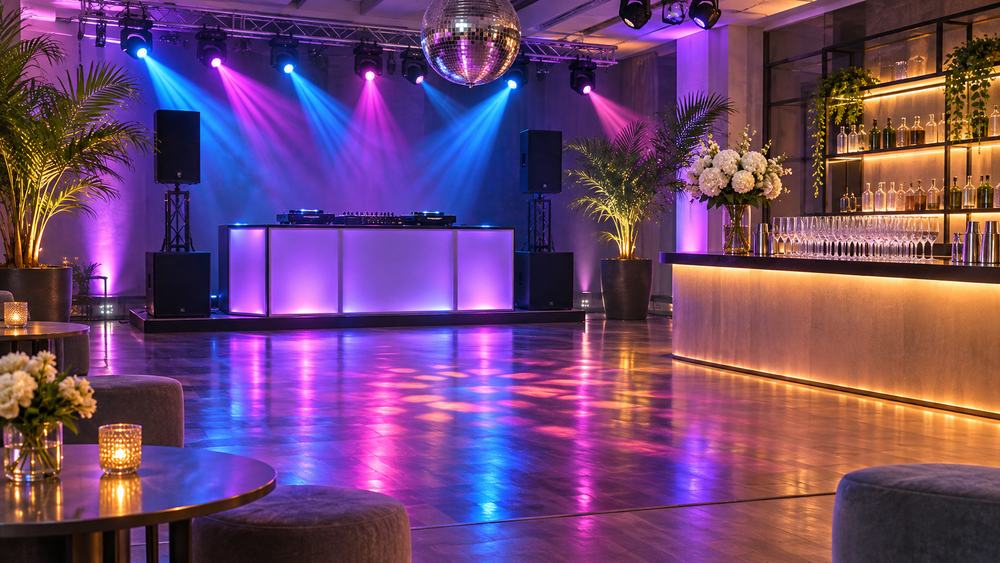
In short: A really good party has a clear purpose, a guest list that fits the space, food and drink for every diet, music that suits the crowd, a simple timetable and a host who has planned for the unexpected, such as extra guests, late arrivals and a quiet way home.
Most people remember a party for how it felt rather than for any single detail. Yet the feeling comes from details: whether there was room to talk, whether the food ran out, whether the music drowned out conversation. These are the features that hosts, event planners and party organisers keep coming back to.
A clear reason to celebrate
Every good party has a point, whether it is a birthday, an engagement, a stag or hen night, a leaving do or a company milestone. The reason shapes the guest list, the dress code, the venue and the tone. A fortieth birthday dinner and a twenty-first in a club need very different plans.
The right guest list
Invite people who will enjoy each other’s company, and think about how many the space can hold comfortably. A room that is half empty feels flat; one that is packed is hot and loud. Send invitations early, ask for replies by a set date and keep a running list. Expect a few people to drop out and, for open events, a few extra to turn up. Sometimes the guest list will be exceeded and there is little you can do except have a plan: spare chairs, extra food and a door policy that a friend can manage.
A venue that fits
The venue should suit the number of guests and the kind of party. Ask about capacity, noise limits, closing time, accessibility and whether you can bring your own food, drink or decorations. A private room in a bar or restaurant often costs less than hiring a whole hall and comes with staff.
Food for everyone
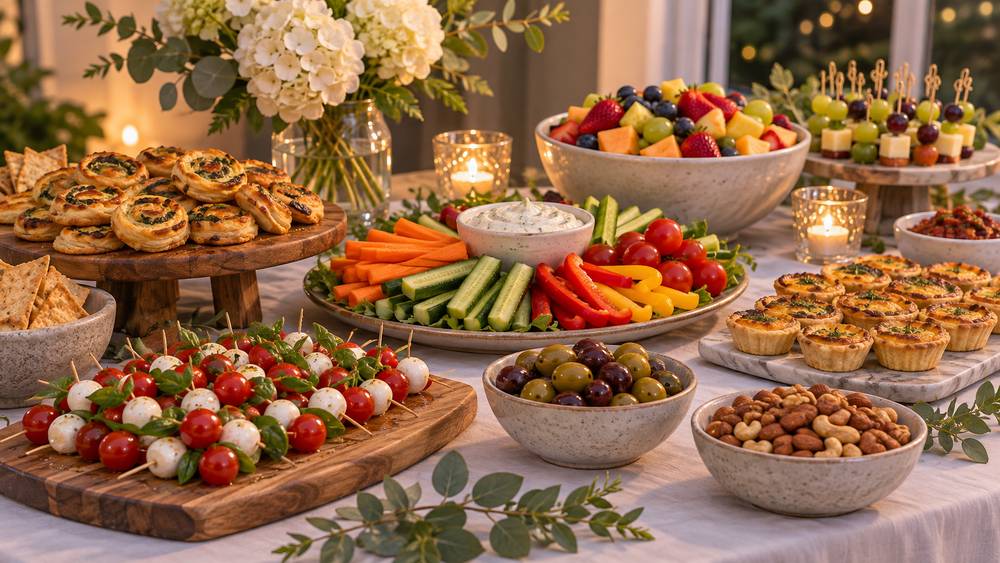
Food keeps a party going. Ask about dietary needs when people reply: vegetarian, vegan, dairy-free, gluten-free, halal and nut allergies are all common. If some guests do not eat dairy, make sure there are vegan options that are labelled. Finger food and sharing plates encourage people to mix; a sit-down meal suits smaller, more formal groups. Plan more than you think you need, and keep water within easy reach.
Drinks, and a way home
Offer a good choice of soft drinks as well as alcohol, so drivers and non-drinkers are not left with tap water. Food served alongside drinks slows things down. Before the night, check last trains, taxi numbers or a booked minibus, so nobody is stranded at the end.
Music and entertainment
Music sets the mood. Keep it lower early on, while people arrive and talk, and turn it up when it is time to dance. A DJ or band reads the room better than a playlist, but a well-planned playlist works for smaller parties. Entertainment should suit the guests: a quiz, karaoke, a photo booth, a live band or performers. Some hosts book dancers or performers for themed nights; in Bangkok, Party Bangkok has a page on party models for events.
Good timing
Give the party a simple shape: arrivals, food, a toast or speech, music, and a clear end. Speeches work best early, before the room gets loud. Tell guests when the party finishes so they can plan their journey home.
Small details people notice
- Somewhere to leave coats and bags.
- Enough seating for older guests.
- Good lighting for photos, but not harsh light.
- Clean toilets with supplies that last the night.
- A quieter corner for conversation.
A host who enjoys it
Guests take their lead from the host. Delegate jobs, such as greeting, music and the bar, to friends you trust, so you can spend time with your guests. A relaxed host makes for a relaxed party.
Common questions
How many people should I invite?
Start from the venue’s comfortable capacity and invite a few more than that, as some will not come.
How much food do I need?
For a party without a meal, plan several bites per guest per hour, and more if it runs over a mealtime.
When should I send invitations?
Three to six weeks ahead for most parties, earlier for weddings, stag and hen trips.
What if more guests turn up than expected?
Keep spare food, chairs and drinks, and ask a friend to manage the door.
If a caterer or venue serves the food, ask for its allergen information early. The Food Standards Agency says UK food businesses must tell customers if food contains any of 14 allergens, including celery, gluten, eggs, milk, mustard, peanuts, sesame and tree nuts.
Related guides: Planning a stag or hen weekend · Why events are good for business
